Introduction
When it concerns building tasks, especially those including retaining walls, the weather condition can play a vital function in determining both the timeline and quality of the work. Whether you're employing a retaining wall installer, builder, or contractor, understanding how various weather can affect their work is essential for any homeowner or job manager. This article looks into numerous aspects of this subject, supplying valuable insights for anyone considering a maintaining wall project.
How Weather Conditions Impact the Work of a Retaining Wall Installer
Weather conditions can considerably affect the tasks that a retaining wall installer carries out, from material selection to setup techniques. Here's a more detailed look at how different weather factors enter into play:
Temperature Variations
Effects of High Temperatures
High temperatures can result in sped up treating times for concrete. While this may sound useful, it frequently leads to cracks if correct procedures are not followed. A professional retaining wall contractor should adjust by using retarders in the mix or guaranteeing adequate wetness retention during curing.
Effects of Low Temperatures
Conversely, low temperatures can substantially hinder setup processes. For example, concrete might freeze before it sets effectively, resulting in structural weaknesses. In such cases, installers frequently use insulated blankets or heated enclosures to keep ideal temperature levels.
Rainfall and Wetness Levels
Challenges Presented by Heavy Rain
Heavy rainfall provides special challenges for a retaining wall builder. Extreme wetness can cause soil disintegration and instability, making excavation more unsafe and https://strongrocker.gumroad.com/p/creating-beautiful-landscapes-with-expert-retaining-wall-specialists-near-me lengthy. Furthermore, wet conditions make it hard to work with materials like wood sleepers or stone.
Benefits of Moderate Rain
Interestingly, moderate rains can be helpful post-installation. It helps settle the soil around recently constructed walls, aiding compaction and stability over time.
Wind Speed and Direction
High Winds During Installation
Strong winds can become a barrier when setting large blocks or panels. For instance, while working with H beams or concrete sleepers, installers should make sure precaution remain in place to prevent moving or falling materials.
Protective Measures Versus Wind
To mitigate dangers connected with high winds, experienced contractors might utilize windbreaks or schedule installations throughout calmer durations of the day.
Snow and Ice Effect on Installation
Risks Related to Snowy Conditions
Snow poses considerable obstacles for maintaining wall installation considering that it obscures ground exposure and creates slippery surfaces. This makes machinery operation harmful and makes complex manual labor tasks.
Solutions for Handling Snow
Contractors frequently postpone tasks up until snow clears or utilize specific devices developed for winter season conditions to ensure safety without jeopardizing quality.
Seasonal Considerations in Retaining Wall Construction
Understanding seasonal modifications is vital for planning successful maintaining wall installations.
Spring: Ideal Conditions however Unpredictable Weather
Spring is frequently viewed as a perfect season for building due to moderate temperature levels; nevertheless, unpredictable shower can disrupt schedules.
- Best Practices: Professionals need to monitor weather forecasts carefully and plan activities accordingly.
Summer: Heat Can Be Beneficial Yet Challenging
While summer offers longer daytime hours conducive to extended working periods, heat management becomes paramount.
- Solutions: Installers may start early in the day to prevent extreme heat later on.
Fall: Perfect Timing but Potential Rains
Fall provides moderate temperatures ideal for installation however likewise increases opportunities of rain-- particularly in particular regions.
- Considerations: Proper drain options need to be thought about during this season due to possible stormwater runoff issues affecting freshly set up walls.
Winter: Challenges Abound however Can Be Managed
Winter presents lots of difficulties including freezing temperature levels and snow build-up that hamper work progress significantly.
- Strategic Planning: Specialists may concentrate on interior jobs during extreme winter season while scheduling outside setups when feasible.
Material Choices Based upon Weather Conditions
The choice of materials used in constructing retaining walls directly correlates with prevailing weather. Here's how:
Concrete Sleepers: The Go-To Choice?
Concrete sleepers are favored for their durability versus various weather condition aspects; however, they need careful handling in extreme heat or cold during installation.
H Beams: Strength Under Strain
H beams supply structural integrity however demand specific environmental considerations throughout assembly due to weight and size implications under windy conditions.
Wood Sleepers: Visual Appeal vs Longevity Issues
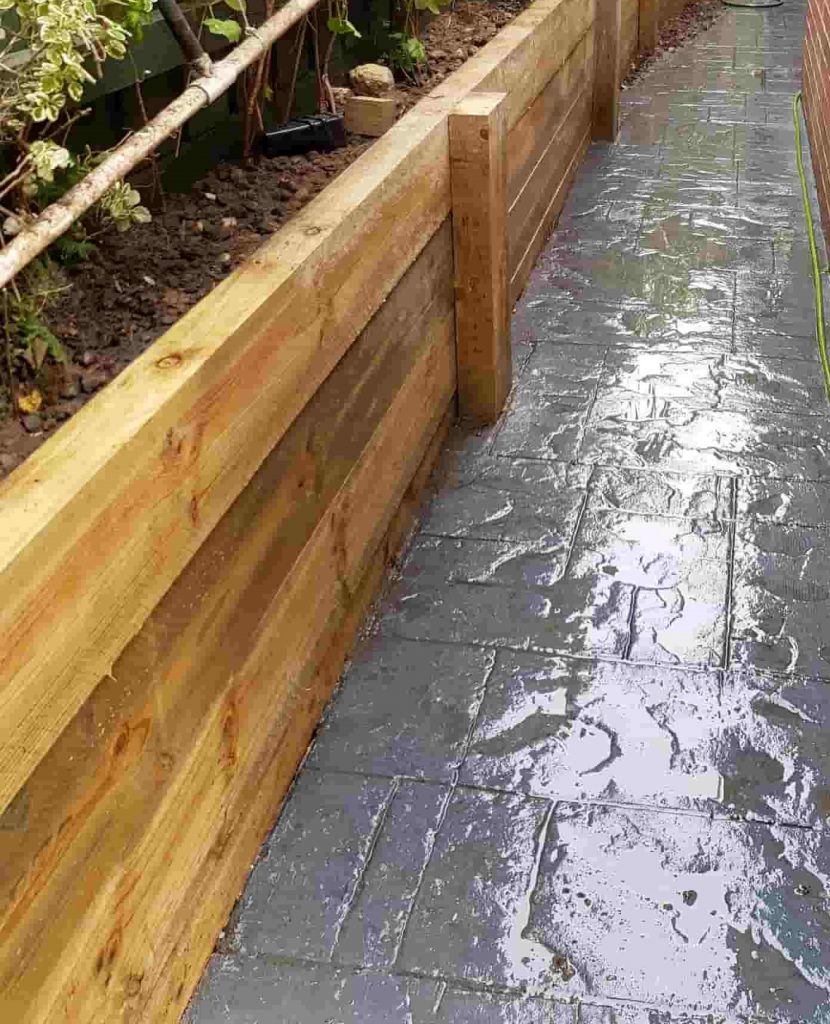
While wood sleepers use natural charm and charm, they're vulnerable to decay when exposed exceedingly to moisture without appropriate treatment-- making them less ideal in rainy climates.
Timber Sleepers: Affordable yet Susceptible Options
Timber sleepers present inexpensive options however need additional care versus rot; thus installers should assess local environment conditions thoroughly before selection.
Stone Walls: Ageless Beauty Requires Expertise
Stone walls radiate ageless elegance; nevertheless, their placement needs careful attention in the middle of changing weather condition patterns-- especially concerning excavation sites susceptible to disintegration when wet.
Safety Safety measures During Negative Weather Conditions
Safety takes precedence no matter external conditions impacting construction activities. Here are preventative measures installers should execute:
- Always examine regional weather report before commencing work. Utilize appropriate equipment (like construction hats) customized versus inclement weather. Ensure all tools are secured against wind gusts that could trigger accidents. Establish clear communication channels among workers regarding sudden shifts in weather patterns needing instant cessation of work activities.
FAQs About Retaining Wall Installations Influenced by Weather
What kinds of maintaining walls are most impacted by heavy rain?- Heavy rain impacts all types however especially those made from timber or other porous materials that may take in excess moisture triggering early decay.
- High temps speed up curing which risks splitting while low temperatures postpone it resulting potentially in weaker structures if not handled correctly.
- Yes! Nevertheless expect delays due ice accumulation & & freezing ground making excavation tough-- it's finest left till spring/summer unless immediate repairs are needed!
- Avoid utilizing without treatment wood products as they weaken quickly under consistent direct exposure leading pricey repair work down-the-line!
Are there special techniques used when constructing stone walls?
- Absolutely! Experienced contractors employ particular interlocking techniques making sure stability even amidst differing weather changes over time!
Is there an optimum season for installing retaining walls?
- Generally speaking late spring through early fall uses beneficial conditions enabling adequate time without disturbances postured by extreme winter season elements!
Conclusion
In summary, understanding how weather conditions influence the work of a retaining wall installer is essential for anyone looking into such constructions. From selecting appropriate products like concrete sleepers or lumber to implementing precaution against adverse impacts from wind and rain-- each aspect contributes towards developing robust structures efficient in standing the test time regardless nature tosses their method! By keeping these factors to consider front-and-center throughout your project planning phase guarantees success from start-to-finish!